


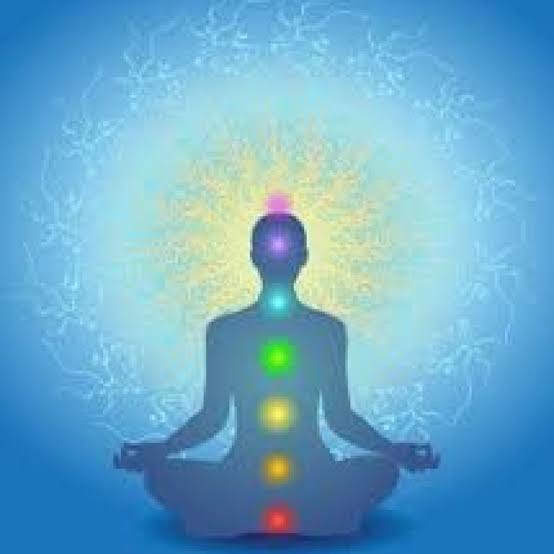
Meditation is the process of taking our attention away from the world outside and focusing it within ourselves. It is an ancient practice with many other names, such as concentration, sitting in silence, or contemplation.
Meditation benefits our physical, mental, and emotional well-being. It has been scientifically proven to relieve stress, reduce blood pressure, enhance concentration, bring us joy and happiness, and help us calmly deal with life’s challenges.1 However, these are just byproducts of meditation. The most important reason to meditate is to become spiritually aware and realize our existence at the level of the soul.
Over the past ten years, a number of studies have found evidence that meditation can not only play a role in Alzheimer’s prevention, but it may also actually alter brain structure. The University of British Columbia conducted a study in 2014 that reviewed and analyzed 123 brain structural differences in about 300 meditation practitioners. The study objectives were to answer two questions:
Is meditation associated with altered brain structure?
If so, what is the magnitude of these differences?
In 2015, Dr. Dharma Singh Khalsa authored a study titled “Stress, Meditation, and Alzheimer’s Disease Prevention: Where the Evidence Stands.” Dr. Khalsa is board-certified in anesthesiology and pain management, and he is a diplomate of the American Academy of Anti-Aging Medicine. He is among the world’s leading authorities on integrative medicine and has written extensively on a wide range of health and healing issues. Dr. Khalsa is also the President and Medical Director of the Alzheimer’s Research and Prevention Foundation.
Over the next few days, I will take a deep dive into these two meditation studies as well as other evidence supporting the benefits of meditation for Alzheimer’s patients. My reports will be published in Greg Rowland’s Alzheimer’s Research Report. For the remainder of September, there is no paywall blocking access to non-paid subscribers.
I am going to begin Kirtan Kriya meditation tomorrow. This is a 12-minute meditation that uses finger movements, a mantra, and visualization to improve memory and lower stress. I am curious to see if meditation will help manage my sundowning behavior.
You can follow my meditation progress on this publication.
Before I sign off, I want to send a heartfelt THANK YOU to the kind supporter covering Big Bit’s pedicure. Linda and I are incredibly grateful to everyone who has donated recently. As I’ve mentioned before, I’m never looking for a handout. However, if my words and experiences bring value to your life, the best way to show your appreciation and help us keep going is through a financial contribution.
Jamil A, Gutlapalli SD, Ali M, Oble MJP, Sonia SN, George S, Shahi SR, Ali Z, Abaza A, Mohammed L. Meditation and Its Mental and Physical Health Benefits in 2023. Cureus. 2023 Jun 19;15(6):e40650. doi: 10.7759/cureus.40650. PMID: 37476142; PMCID: PMC10355843.