



Advocacy is the act of publicly supporting, arguing for, or pleading on behalf of a specific cause, idea, policy, or person.
Throughout history, advocacy has influenced and shaped critical policies. Without strong advocacy efforts, landmarks like the Civil Rights Act of 1964, the Americans with Disabilities Act, the mobilization during the HIV/AIDS crisis (ACT UP), the Breast Cancer Advocacy Movement, and the development of the polio vaccine might never have occurred.
I believe the most successful advocacy campaigns are grassroots efforts that involve many people doing small things. The expression “skin in the game” takes a large-scale advocacy campaign down to the individuals most impacted by a disease, injustice, or system. For example, in the mid-20th century, the National Foundation for Infantile Paralysis (later known as the March of Dimes) launched a massive grassroots advocacy and fundraising campaign. By mobilizing millions of citizens to donate literally a dime at a time, they funded the vital laboratory research that enabled Dr. Jonas Salk to develop the first successful polio vaccine in 1953.
Today, Alzheimer’s disease advocacy is driven by families and caregivers making small donations, walking in annual events, testifying before Congress in Washington, D.C., and sharing stories on social media.
If there is an advocacy gene, I must have it.
While unpacking boxes of old photos this past weekend, I found a stack of newsletters from the time I served as the president of the New York City chapter of the International Television Association. This organization’s membership consisted of video production professionals working for corporations. In one newsletter, I wrote about two promotional videos our chapter was producing pro bono for a children’s foster shelter.


Later in life, when I learned about the indignity of homelessness, I became a strong advocate for providing counseling, education, and temporary housing to help those without shelter and jobs find the opportunity to better themselves.
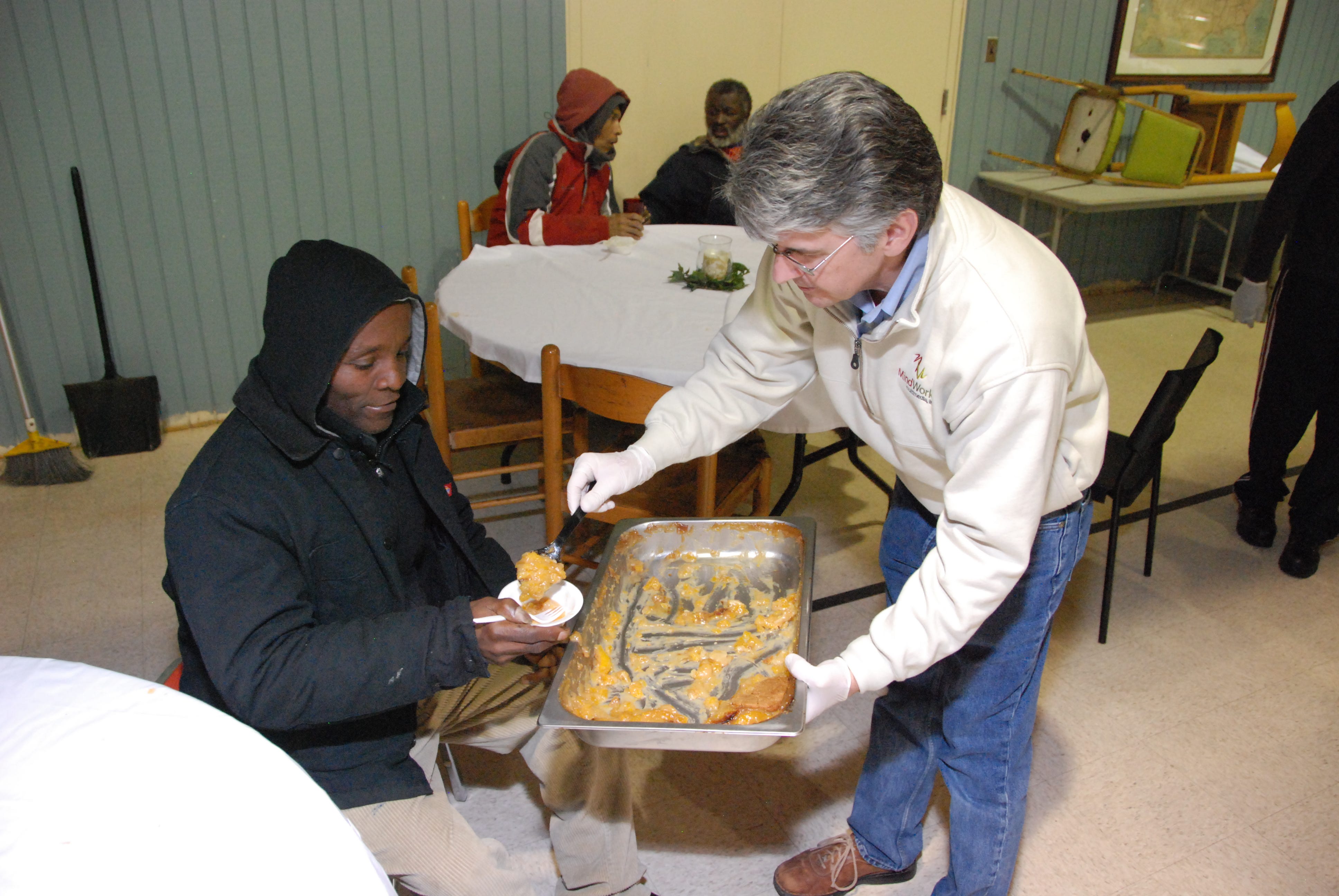
Today, I have become an advocate for Alzheimer’s awareness, prevention, and treatment. As someone living with this disease, I believe my voice can be used in powerful ways.

As we approach the election, I encourage you to view voting as an act of advocacy. Voting is more than just a civic duty. Your vote can help elect political leaders who prioritize scientific research. This is a vital step toward ensuring that crucial research grants are protected and not canceled.
A massive portion of Alzheimer’s research relies heavily on public funding and government grants. Meanwhile, the costs of healthcare, long-term care, and in-home caregivers are increasing at an alarming rate, and programs like Social Security face continual strain. These are just a few of the many critical issues our elected officials influence.
Ask questions and study the positions of the candidates. Make good, informed decisions and cast your vote. Your vote definitely matters.
All advocacy matters. It can be as simple as posting a social media story about someone you know who is fighting an incurable disease. Or, it can be traveling to Washington, D.C., to talk to legislators about the need for medical research. I wore my “ALZHEIMER’S SUCKS” shirt to the DMV yesterday. A handful of people commented on the shirt to tell me they agreed with the slogan, and dozens more saw it. Wearing that shirt was simple grassroots advocacy hard at work.
Advocacy can be lonely at times. I certainly feel isolation and loneliness, and I even get discouraged. Recently, someone left a comment on my essay about empathy. He said, in part, “You may never get to see the full reach of that, but please don’t mistake what you cannot see for an absence of impact. Keep going, Greg.” This reader was responding to a comment I had made questioning if I am actually making a difference. His words were like throwing a log on my fire. My commitment to advocating for Alzheimer’s awareness, prevention, and treatment is strong. There is fire in my belly.
Please support my writing so my advocacy work can continue. I promise to keep fighting for continued treatment research, prevention education, and making Alzheimer’s a problem that everyone cares about.
Greg Rowland’s Alzheimer’s Journey is dedicated to honest reflection and thought-provoking opinions. While we build this publication into a self-sustaining platform through donations, you can support our sustainability plan via our GoFundMe. Reading, subscribing, and sharing this work with others is equally appreciated. Thank you for walking this road with us.