


I posted an article about Non-Drug Interventions For Alzheimer’s Disease in my research publication. I am providing a link to the article because I believe this is important information that everyone should have access to. I also pasted the article below.
Please consider becoming a paid subscriber of Greg’s Alzheimer’s Research Report.


In recent years, there have been several new drugs introduced that either slow the progression of Alzheimer’s disease (AD) or treat specific symptoms. Scientists around the globe are researching and developing new therapies with the ultimate goal of curing AD. Often overlooked are the numerous non-drug interventions for AD.
Over the past few weeks, I studied non-drug strategies for managing AD symptoms, slowing cognitive decline, and improving the quality of life of an AD patient. Some of the suggestions I discovered were frankly a bit whacky. I ignored those recommendations and only considered evidence-based strategies.
Cognitive and Behavioral Therapies
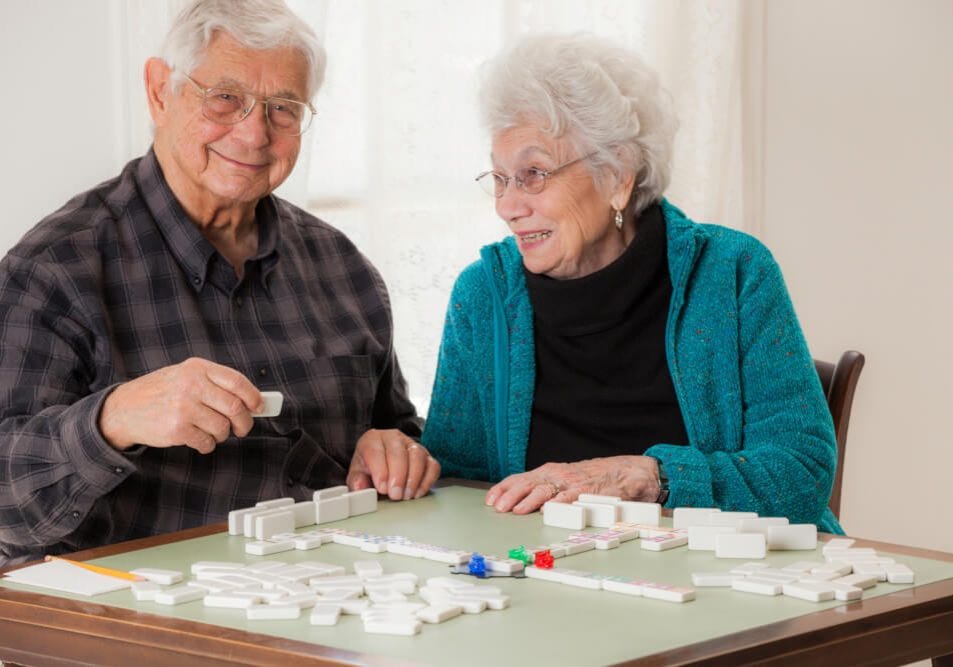
Cognitive Stimulation Therapy (CST): The goal of CST is to guide people with AD through a series of activities designed to promote continued learning so that they can stay mentally stimulated and socially engaged. Activities may include puzzles or games, playing instruments, or engaging in conversation with other group members and/or program facilitators. The social component of CST is extremely important; therefore, CST is most effective in group settings. Additional information: https://pmc.ncbi.nlm.nih.gov/articles/PMC12021387/
Reminiscence Therapy: This therapy involves discussing past family and friend activities and events (vacations, grandchildren birthdays, weddings, etc) to stimulate memories. If possible, photos and videos, should be incorporated into the discussion. Reminiscence therapy works well in both group settings and one on one with a caregiver. There is evidence that reminiscence therapy is an effective technique for controlling aggressive behavior. Additional information: https://www.alz.org/help-support/caregiving/daily-care/reminiscence-and-reminiscence-therapy
Reality Orientation: Generally structured as a group activity led by a trained caregiver or activity director, reality orientation helps to ground persons with AD with an understanding of time, place, and person. I often wake up confused about where I am and what day it is. I believe reality orientation may help me. Additional information: https://www.verywellhealth.com/treating-alzheimers-disease-with-reality-orientation-98682
Cognitive Rehabilitation: Cognitive rehabilitation therapy has been defined by the American Congress of Rehabilitation Medicine as systematic and functionally oriented therapeutic cognitive activities directed to achieve functional changes by (1) reestablishing or strengthening previously learned patterns of behavior or (2) establishing new patterns of cognitive activity or compensatory mechanisms for impaired neurological systems. Additional information: https://www.healthline.com/health/mental-health/cognitive-rehabilitation#basics


Physical and Lifestyle Interventions
Exercise: Ranging from a thirty-minute walk to strenuous aerobic routines, exercise has been proven to improve mental health, cognitive function, and manage depression. An added benefit of exercise is improving balance; therefore, reducing falls. Additional information:https://www.apa.org/monitor/2011/12/exercise
Diet: Following brain-healthy eating patterns, such as the Mediterranean diet rich in vegetables, fruits, fatty fish, and healthy fats, helps manage vascular risk factors that contribute to cognitive decline. Additional information:
https://my.clevelandclinic.org/health/articles/16037-mediterranean-diet
Sleep and Stress Management: As I studied sleep and stress management, I realized this an area where I need help. The goal is to wake up and go to sleep at the exact same time daily to regulate your circadian rhythms. Other recommendations include: eliminating caffeine, and using soothing therapies like low-light environments, aromatherapy, and weighted blankets. I suggest feline therapy. It works wonders for me. Additional information:
https://www.caregiveraction.org/alzheimers-and-sleep/
Music and Art Therapy
Music Therapy: Research has shown that musical memories are often preserved from brain damage caused by AD. Patients who have lost the ability to speak can often hum, tap a beat, or sing lyrics to songs from their childhood. Music triggers memories, stimulates communication, reduces agitation, and builds confidence.
Additional information: https://www.pacificneuroscienceinstitute.org/blog/brain-wellness-lifestyle/music-and-art-therapies-may-help-alzheimers-patients/
Art Therapy: Without the need for prior skill, art therapy encourages non-verbal self-expression, reduces agitation, and improves communication. Drawing, painting, and sculpting give AD patients a way to creatively express emotions, feelings, and memories without relying on words. Additional information:
https://arttherapy.org/what-is-art-therapy/
I hope you find these non-drug therapies beneficial for yourself or your loved one.