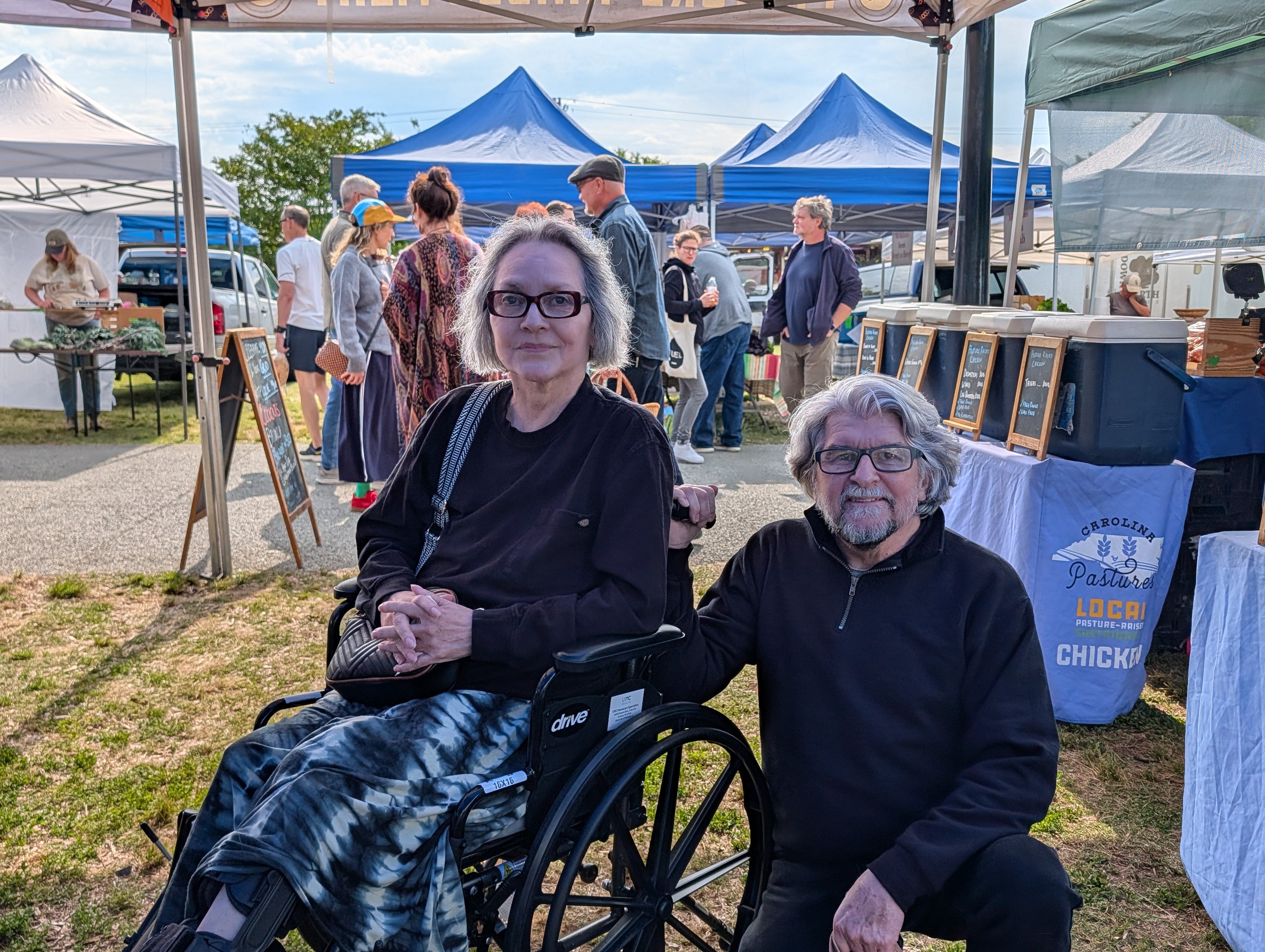
There is poem called Small Kindness written by Danusha Laméris, that highlights how small gestures can make a huge difference. I think the poem also proves that we mostly just want to care for one another.
I’ve been thinking about the way, when you walk
down a crowded aisle, people pull in their legs
to let you by. Or how strangers still say “bless you”
when someone sneezes, a leftover
from the Bubonic plague. “Don’t die,” we are saying.
And sometimes, when you spill lemons
from your grocery bag, someone else will help you
pick them up. Mostly, we don’t want to harm each other.
We want to be handed our cup of coffee hot,
and to say thank you to the person handing it. To smile
at them and for them to smile back. For the waitress
to call us honey when she sets down the bowl of clam chowder,
and for the driver in the red pick-up truck to let us pass.
We have so little of each other, now. So far
from tribe and fire. Only these brief moments of exchange.
What if they are the true dwelling of the holy, these
fleeting temples we make together when we say, “Here,
have my seat,” “Go ahead—you first,” “I like your hat.”
Essentially, the poem suggests a fundamental human desire for kindness and mutual care in everyday interactions, from simple smiles to courteous gestures on the road.
Since my Alzheimer’s diagnosis last September, there have been numerous acts of kindness bestowed upon Linda and me. It doesn’t matter whether the act of kindness was large or small, it made a big difference for us. In early October, a close friend told me not to hesitate to ask for help. She said helping those in need is a core human value.
It is like I spilled my lemons, and I am asking people to help me pick them up. I still struggle with asking for help though. There is something in my DNA that makes reaching out with an open hand difficult - even painful.
The bottom line is that our Social Security and limited investments are not enough to cover our living expenses, rising medical costs, and eventual caregiver needs. We have a goal to bridge a $2,000 monthly income gap. I am still fully able to study, conduct research, speak, and write. I want to work for this income, and I want to invite you to help me do it. Let’s make lemonade together.
Here is how you can join our tribe and support us today:
Subscribe to the Research Report: I summarize the most complex, technical, and scientific information on Alzheimer’s disease and emerging treatments into clear language. You can upgrade to a paid subscription for $10/month or a discounted annual rate of $100/year.
Become a Founding Member of the Research Report: If you want to provide a deeper level of baseline stability for Linda and me, you can choose the $250/year Founding Member tier on Substack. Founding Members will join me monthly for a video conference to discuss emerging Alzheimer’s treatments in great detail.
Support the blog, My Alzheimer’s Journey: There are nearly 500 free subscribers. If half of the subscribers donated $5 per month we would have gross donations of $1,250 each month.
Direct Support: If you prefer a simple, one-time contribution rather than a recurring subscription, you can send a direct donation of any size.
The Online Store: Our goal is not to grow the store into a juggernaut. Modest sales result in satisfactory profit. Sharing a link to the store with your friends and social networks will be extremely helpful.
Paid Speaking Engagements: We believe I have a compelling story about navigating an Alzheimer’s diagnosis with dignity and resilience. Starting this week, we will begin reaching out to universities, medical advocacy groups, corporations, and civic organizations seeking speaking opportunities. You can help in a few ways:
developing a speakers package
representing me as an agent
recommending me to your employer or a civic organization you belong to
What are we doing to bridge the income gap?
Since rent is our greatest expense, we are looking at several locations in North Carolina that offer more affordable housing. We are flexible to relocate since I am no longer required to be at Duke Health for infusions.
We are reducing living expenses wherever possible. This is a challenge in the current inflationary economy.
Several income producing opportunities have been suggested, and we are exploring those now. Among the opportunities are an e-book about my first year as an Alzheimer’s patient and converting many of the blog posts into YouTube videos.
Please join our tribe and help us on this difficult journey. You can contact me by email at greg@rowjeraholdings.com.
Thank you,
Greg & Linda
Thank you!
Are you interested in learning about Alzheimer’s emerging treatments and related developments? Visit my research report.