


In the late 1890s, a woman in Germany starting having memory problems. Her name was Auguste Deter. She reported having trouble writing and speaking. These symptoms were similar to those commonly associated with dementia. Yet, Auguste would not be 50 years old until 1900.
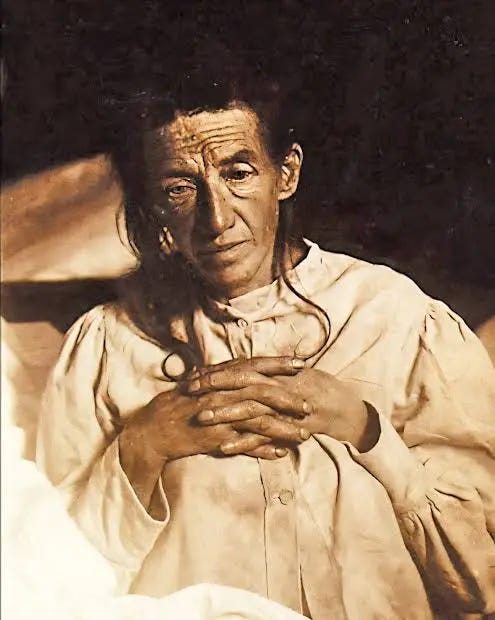
Her husband told the doctor that her condition was worsening. He said with fast progression and with increasing intensity, Auguste was experiencing sleep disorders, disturbances of memory, aggressiveness, crying, and confusion. Eventually, he was forced to take his wife to the Community Psychiatric Hospital in 1901. She was described as having untreatable paranoid symptomatology.

A doctor named Alois Alzheimer, heard about Auguste and her unusual symptoms. Interested in finding out more, Dr. Alzheimer interviewed her over the next few years.
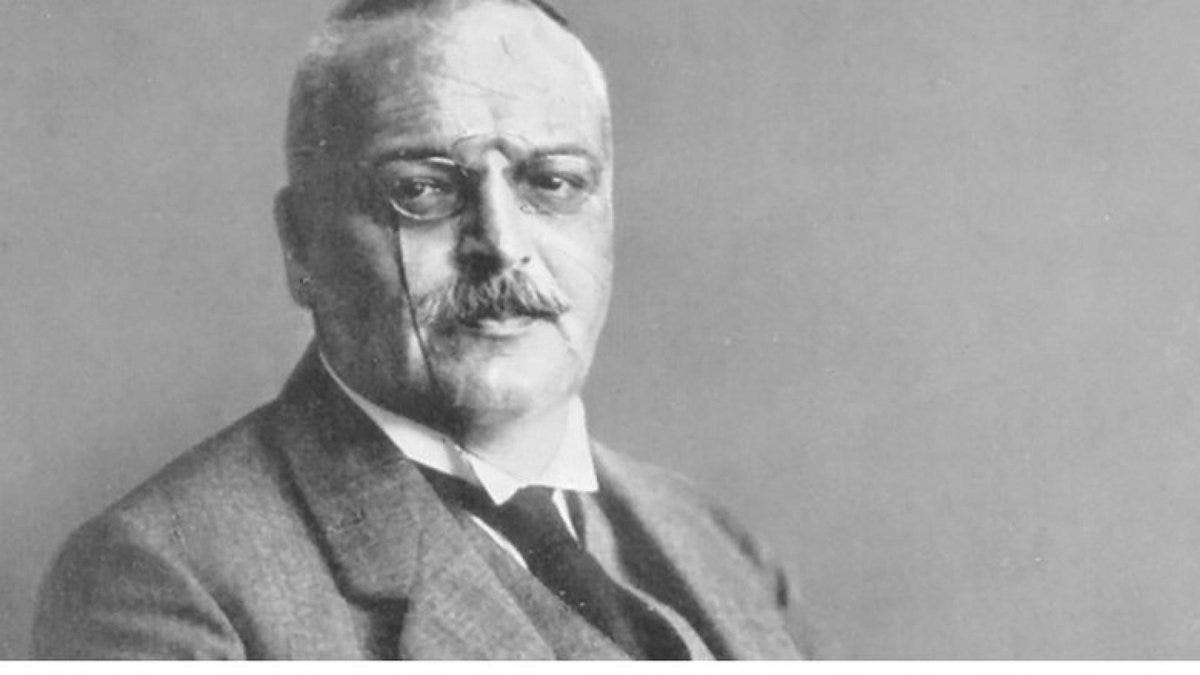
The interviews began with simple questions about her life. Auguste could not recall her age, her husband’s name, or where she was. Getting frustrated, she would often tell Dr. Alzheimer, "I have lost myself, so to say."
Dr. Alzheimer noticed that Auguste would call things by a different name. For example, she would call the beef she was eating “potatoes”. Her abilities to remember things worsened at night.
In June 1903, Dr. Alzheimer was invited to open a psychiatric clinic in Munich, Germany as a research assistant alongside another doctor by the name of Emil Kraepelin. The clinic would focus primarily on brain research.
In 1906, after living at the institution for five years with no treatment for her loss of cognitive abilities, she died in April.
Dr. Alzheimer requested her brain and medical records so he could study her unusual disease. While studying her brain, he noticed it had shrunk in certain areas, and there were numerous abnormal deposits. The cerebral cortex was thinner than normal and “senile” plaque, previously only encountered in elderly people, was found in the brain along with neurofibrillary tangles.
The same year that Auguste died, Dr. Alzheimer gave a presentation to the 37th Congress of Psychiatrists of Southern Germany. During his speech, he told the attendees he had identified an ‘unusual disease of the cerebral cortex’, which had affected a woman by the name of Auguste. The disease had caused symptoms of memory loss, disorientation, and hallucinations up until Auguste’s death, which was unusual for her young age.
The chairman of the session was a prominent psychiatrist from the University of Freiburg, Alfred Hoche. He did not comment on Alzheimer's presentation, and only once or twice asked the audience for comments or questions. This was a disappointment for Dr. Alzheimer. He expected the numerous and well-known scientists in the audience would be excited and would have many questions about his discovery.
It wasn’t until 1910 that Dr. Kraepelin would name this newly discovered disease as Alzheimer’s disease. He made the announcement in the 8th edition of the ‘Handbook of Psychiatry’. Dr. Alzheimer published three further cases of the disease in 1909 and a “plaque-only” variant in 1911.
Dr. Alzheimer died in 1915 at the age of 51. He died from complications of the common cold.
For nearly fifty years, Alzheimer’s was considered a rare, early-onset disease. Yet, older individuals with similar symptoms were diagnosed with "senile dementia".
Over the next few weeks, I will write about the research of Alzheimer’s disease that began in the 1960’s.