


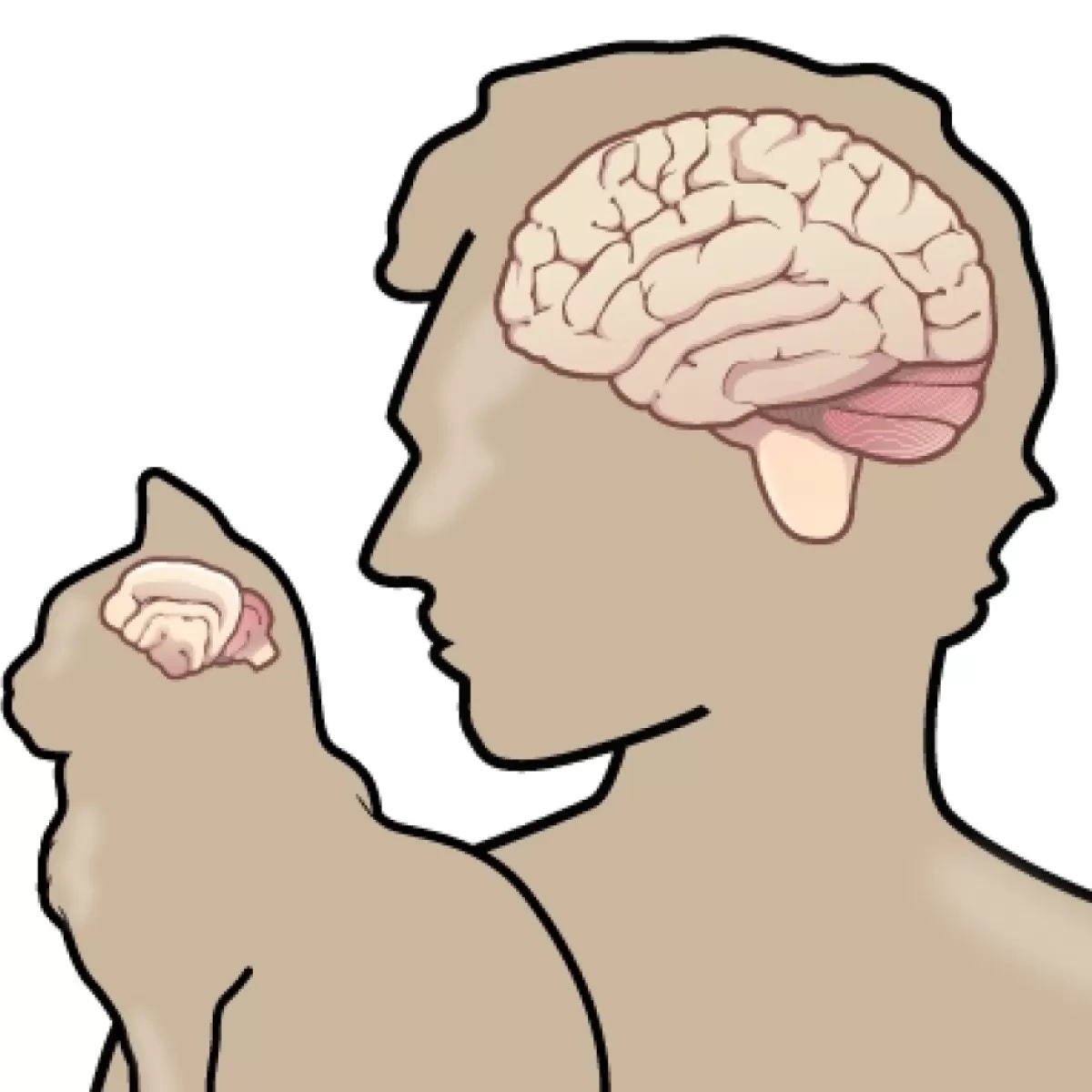
I recently learned that cats are living much longer today than they used to. Just like humans, better nutrition, advances in medical treatment, and improved living conditions have contributed to a longer feline life expectation. It is not uncommon for cats to live to 20 or 21 years old. This is the equivalent of 96 to 100 years old in humans.
Also, like humans, cats become increasingly susceptible to many age related diseases as they get older. Among those disorders is cognitive dysfunction. This progressive, debilitating disease has symptoms that closely resemble human Alzheimer’s disease and senile dementia.
Feline cognitive dysfunction syndrome (CDS) is likely underreported and unrecognized by cat owners. Even veterinarians may not recognize specific cat behavior as CDS. This is due to the limited studies of CDS.
CDS symptoms and behaviors include:
spatial disorientation
lack of interest in playing
wandering away from home
excessive sleeping
altered cycles of sleep and wakefulness
urinating and defecating outside the litter box
loud outbursts (frequently, at night)
Except, for the litter box issue, those behaviors closely match my symptoms. Well, I have not started wandering away from home yet. I call myself the Crazy Cat Man. Maybe there is more truth to that name that than I thought.
Studies going back as far as the late 1980s show that brain atrophy and neuronal loss, amyloid-beta plaques, and vascular disease have been identified in CDS-affected brains. One benefit of these studies is that we can make the lives of our geriatric cats much more comfortable and rewarding. We may be able to recognize behavioral changes in old cats, investigating them fully for potentially treatable medical conditions, and instigating dietary and environmental modifications to meet their changing needs.
As I read these feline studies, one thing jumped out at me.
A 2021 study lead by Lorena Sordo found while there is “an age-related increase in amyloid-beta accumulation in the feline brain”, there is no “significant increase in amyloid-beta pathology in cats with CDS compared to age-matched controls.” From my layman’s perspective, this is a huge deal because it questions if amyloid-beta pathology is a common an age-related indication, or does it actively contribute to neurodegeneration and feline CDS. Answering that question will certainly be helpful in human studies.
The monoclonal antibody I take (Lecanemab) works by targeting and clearing toxic amyloid-beta protein aggregates from the brain. It is believed that this action slows the progression of early Alzheimer's disease. Donanemab is also a monoclonal antibody that works in a manner similar to Lecanemab.
Recent studies are questioning the amyloid plaque theory, suggesting Alzheimer's might stem from a lack of functional amyloid-beta protein (Aβ42), toxic fat-protein complexes, inflammation, or even specific genetic factors like the APOE4 gene variant.
In a future post, I will discuss these alternative theories.
A cat’s brain is just about as complex and about as capable as the human brain. A cat’s neurological system also resembles the human system. As future studies lead to a better understanding of CDS, there will be two significant benefits: improving the lives of senior cats and advancing the search for the true cause of Alzheimer’s disease. Once the cause of Alzheimer’s is understood, effective treatment options (maybe even prevention) moves closer toward reality.
Most of my research came from the Euroean Journal of Neuroscience, published August 11, 2025.
While I carefully review my writing, I know that as my disease progresses it is inevitable that there will be grammatical mistakes, misused words, and missing words. I do not use Ai for my writing or research. What you read are my words. They are honest, raw, and sometimes controversial.
Thank you for your continued interest in my blog. Please consider supporting me by making a Go Fund Me donation. You can also Buy Big Bit A Treat.
Hey Greg. Our yellow cat Dijon lived 20 yrs & he would go upstairs and meow loudly in the evening for no reason. First I thought he was looking for us but not the case. This started happening in his later years I have a twin to your Big bit named Gris Gris.
Greetings from lake summit