



I plan to visit a farmer’s market tomorrow morning, so I have been researching the best diet for both the prevention of Alzheimer’s disease and the delay of AD progression. The Carrboro Farmer’s Market has an enviable reputation for locally grown organic food, craft baked items, and a strong sense of community. I am looking forward to my adventure.
According to a National Institute on Aging report, there are two diets that research has shown may hold cognitive benefits. The popular Mediterranean diet emphasizes fruits, vegetables, whole grains, legumes, seafood, and unsaturated fats such as olive oils. This diet recommends limited consumption of red meat, eggs, and sweets.
The other diet is called MIND (Mediterranean Intervention for Neurodegenerative Delay). It is a hybrid of the Mediterranean and the DASH (Dietary Approaches to Stop Hypertension) diet. This diet is similar to the Mediterranean diet, only it is more specific in certain areas. For example, it specifically recommends green leafy vegetables and berries over other fruit.
The MIND diet is easier to follow than the Mediterranean diet, which calls for daily consumption of fish and three to four daily servings of each of fruits and vegetables.
A 2023 clinical trial studied the MIND diet. The study was a two-site, randomized, controlled trial involving older adults without cognitive impairment but with a family history of dementia, The participants also had a “suboptimal diet”, as determined by a 14-item questionnaire, There were 604 participants - 301 assigned to the MIND diet and 303 assigned to the control-diet.
The trial was completed by 93.4% of the participants. The three-year study showed improvements in global cognition scores in both groups, with increases of 0.205 standardized units in the MIND-diet group and 0.170 standardized units in the control-diet group. Changes in white-matter hyperintensities ( "bright spots" found on MRI brain scans), hippocampal volumes, and total gray and white matter volumes on MRI were similar in the two groups. In summary, the outcomes did not differ significant differences between those who followed the MIND diet and those who followed the control diet with mild caloric restriction.
A Harvard University study of the MIND diet concluded, “the MIND diet can be a healthful eating plan.” The study goes on to say, “whether following the MIND diet can slow cognitive aging over longer time periods remains an area of interest, and more research needs to be done to extend the MIND studies in other populations.”
Rush University also studied the MIND diet. They were more positive and stated the MIND diet,“may reduce the incidence of brain disease that increases a person’s risk in developing Alzheimer’s disease.” Rush University may be a tad biases though. Martha Clare Morris, PhD, a Rush nutritional epidemiologist and her colleagues, developed the MIND diet.
Deciding to follow the MIND diet is a similar decision to using a sauna that I reported yesterday. There are numerous benefits to using a sauna and following the MIND diet even if the cognitive benefits are uncertain.
The MIND diet has 15 dietary components, including 10 brain-healthy food groups, and 5 unhealthy food groups.
The healthy food groups are:
Green leafy vegetables
Other vegetables
Nuts
Berries
Beans
Whole grains
Fish
Poultry
Olive oil
Wine
The five unhealthy groups are:
Red meats
Butter and stick margarine
Cheese
Pastries and sweets
Fried or fast food
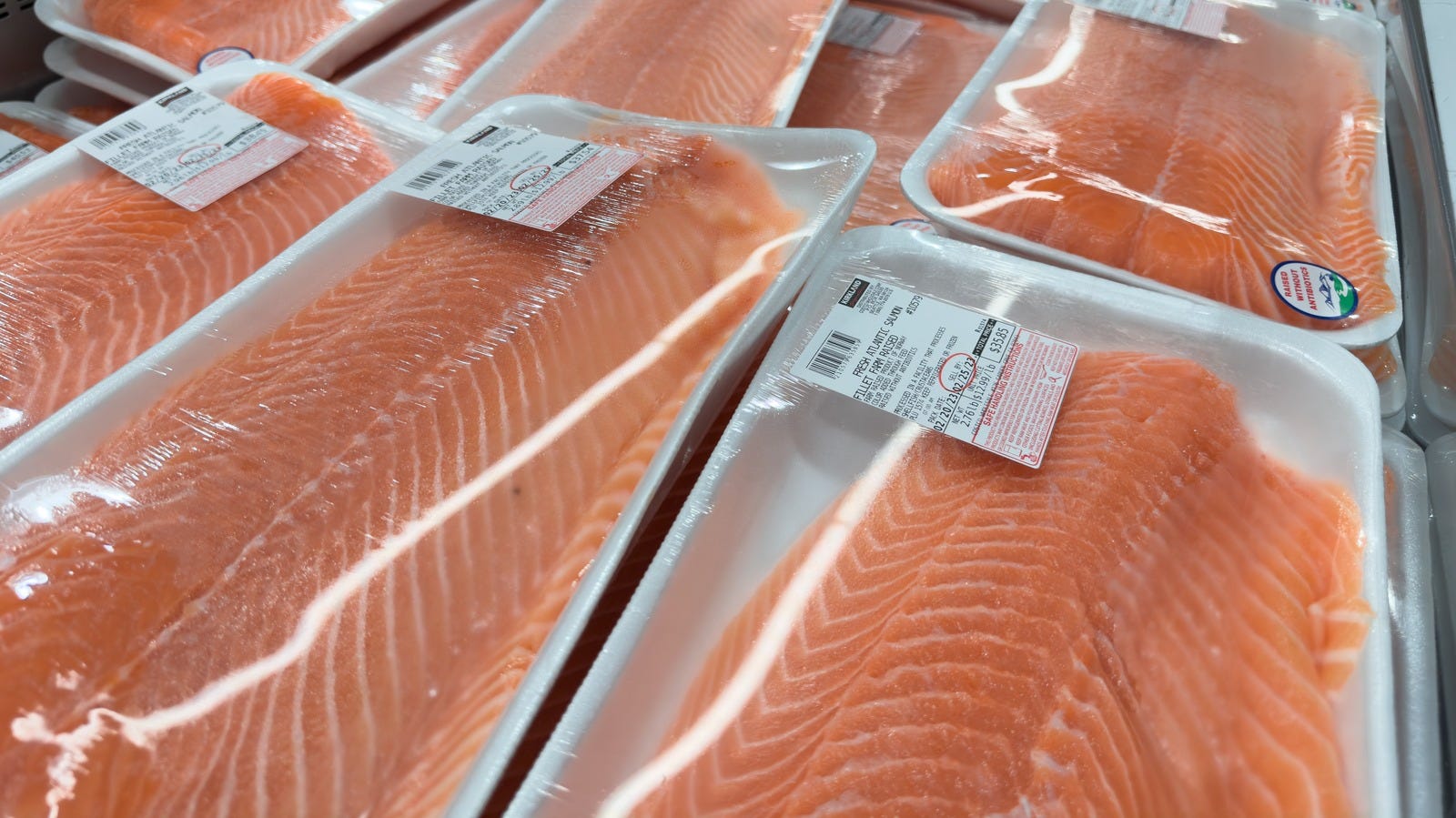
It looks like blueberries, leafy greens, vegetables, and organic chicken will be on my farmer’s market shopping list. I am going to Costco later today to pick up several prescriptions. I will get salmon while there.
Here are several MIND recipes and the official MIND diet website:
Have a great weekend. Thank you for your continued support.

Your support of my blog is greatly needed - and, appreciated.
There are three ways you can support the publication:
Sometimes: Donate whatever you can, whenever you can. You will continue to have full access to the entire blog - nothing changes for you, and your support is deeply appreciated.
Supporters (minimum donation of $25/month): You’ll receive full access to the blog, my new Saturday feature, The Week in Review, and a permanent 5% discount at my online store.
Sponsors (minimum donation of $40/month): You’ll receive all the Supporter benefits plus a permanent 8% store discount and an invitation to a monthly live Zoom meeting. This will be an open space to talk, share, and ask me almost anything on your mind. I will schedule multiple times if needed to make sure our international friends can join in.
I never want a person’s financial situation to stand between them and the support they find here, but I also want to ensure My Alzheimer’s Journey is sustainable. If you’re able to, please consider contributing so I can continue to share insight with you and the many caregivers and families who are following My Alzheimer’s Journey.
Please support at the level that feels right for you. I am so grateful to have you alongside me on my Alzheimer’s journey.
Donations
Shopping
About
Interested In Greg Speaking At Your Event?
Search