



For those of you residing in the United States, I hope you had a happy Labor Day.
Linda and I spent the day unpacking and organizing. This is a slow process complicated by our health issues. Linda has neuropathy caused by diabetes. The pain limits the amount of time she can stand and walk. I become tired easily and must take breaks from almost any physical task. Despite our limitations, we successfully completed organizing our kitchen.
I also walked approximately two miles yesterday. Our apartment is located one half of a mile from a small shopping center anchored by a Trader Joe’s. There is a Home Depot eight tenths of a mile from our apartment. You can reach the Home Depot by walking beyond the Trader’s Joes or by taking a road behind our apartment. I walked to Home Depot on the road behind our apartment and returned via the Trader Joe’s shopping center. The temperature was in the low 80s with a slight breeze. Perfect walking weather.
It is seven o’clock Tuesday morning in Greensboro. I am enjoying the silence of our apartment while Linda and the cats are sleeping. With a cup of coffee beside me (thanks to the person who donated the remarkable Cuisinart coffee maker) and Big Bit sleeping nearby, I am starting my daily routine of reading, conducting research, and writing. Moments of stillness like this often bring clarity, forcing me to confront the hard financial truths that I ignored during my busy years as an entrepreneur.
The topic of today’s blog post is why small business owners often fail to save for retirement. This topic is relevant to my Alzheimer’s journey since I find myself in a challenging financial situation due to my failure to invest for retirement.
The Illusion of Time
Entrepreneurs and small business owners frequently defer personal savings under the assumption that they have years left to build or sell their company. That is a tradition in my family, with both my father and my brother owning and working at their businesses well beyond the usual retirement age of 65.
Soon after my father’s death in 2021, I started a small handyman business that quickly grew into a renovations and repair company. Carpenters were hired, trucks, trailers, and equipment were purchased, and the business expanded in three geographic areas: Upstate South Carolina, Western North Carolina, and the Lowcountry of South Carolina.
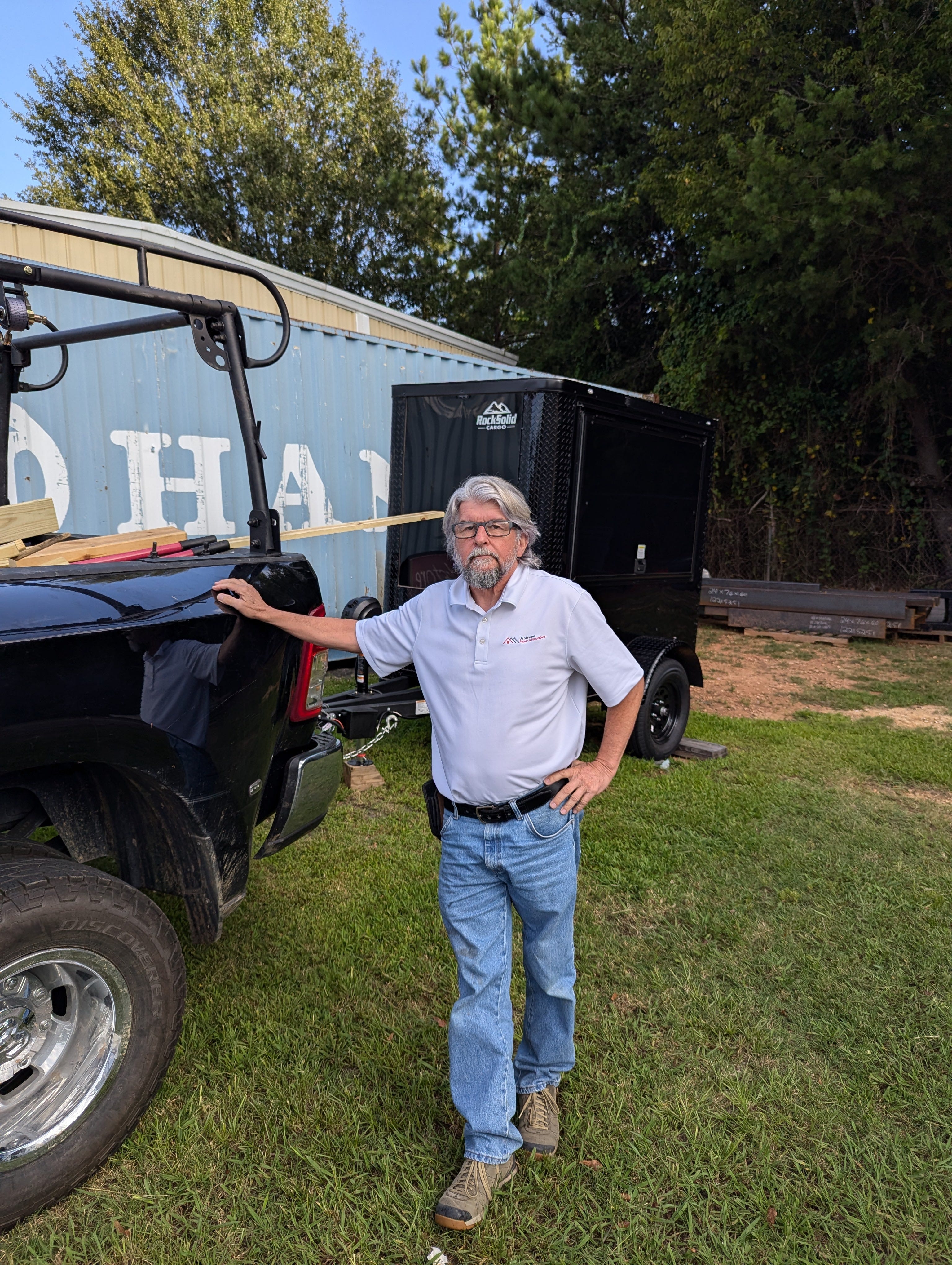
Our projects included a wide range of interior renovations, outside additions, and fence building. I discovered an opportunity to design and build screen porches in the Lowcountry of South Carolina: Beaufort, Bluffton, and Hilton Head. Homes were built with patios, and the owners quickly realized they needed a screened porch to provide sun and insect protection.
The majority of the Lowcountry screen porch construction companies build metal structures. We offered old-school wood porches with metal roofs. Over a three-year period, we built several dozen screen porches in the Lowcountry.
Financially, the business performed well. Although we had significant debt as our growth was rapid. Linda and I enjoyed a lifestyle with frequent travel and seeking out new restaurants.
I planned to work until age 75. At that point, I thought the business could be sold or a manager/partner hired to continue operations. With either option, Linda and I would have a steady income stream.
Looking back as an Alzheimer’s patient, those plans were unwise. The common assumption that retirement timelines remain entirely within our control falls apart when debilitating illness, severe injury, or death occurs.
According to the 2025 WealthRabbit Small Business Retirement Report, nearly 1 in 5 small business owners have no retirement savings at all, and the majority have saved less than $50,000—even when approaching retirement age. By comparison, the average corporate employee in the 45–55 age bracket holds between $152,100 and $199,900 in a traditional 401k.
The Vulnerability of the Asset-Rich, Cash-Poor Owner
Most small business owners sink every spare dollar back into their operations. I certainly did.
My sudden health crisis forced me to stop working. Linda and I hired a manager, and we made plans for a steady income for ourselves. We quickly realized I was the business. An experienced manager could operate the business, but he wasn’t me. Within a few months, we closed the business. We were left with highly illiquid assets.
Raymond James explains why business owners struggle with retirement planning. This sentence from the article really summarizes my situation: “Good businesses don’t always guarantee good retirements.”
According to data from the U.S. Small Business Administration (SBA) and industry retirement studies, roughly 34% of small business owners have no formal retirement plan in place, and an additional 12% rely entirely on the future sale of their business. I am part of both groups.
The Employee Benefit Research Institute (EBRI) regularly reports that nearly 50% of retirees leave the workforce earlier than planned, with health problems or disability cited as the primary driver.
How To Move Forward
The construction company was not my first business venture. For nearly fifteen years, I owned and operated a company that developed interactive training programs, produced corporate videos, and planned and managed corporate and nonprofit events.
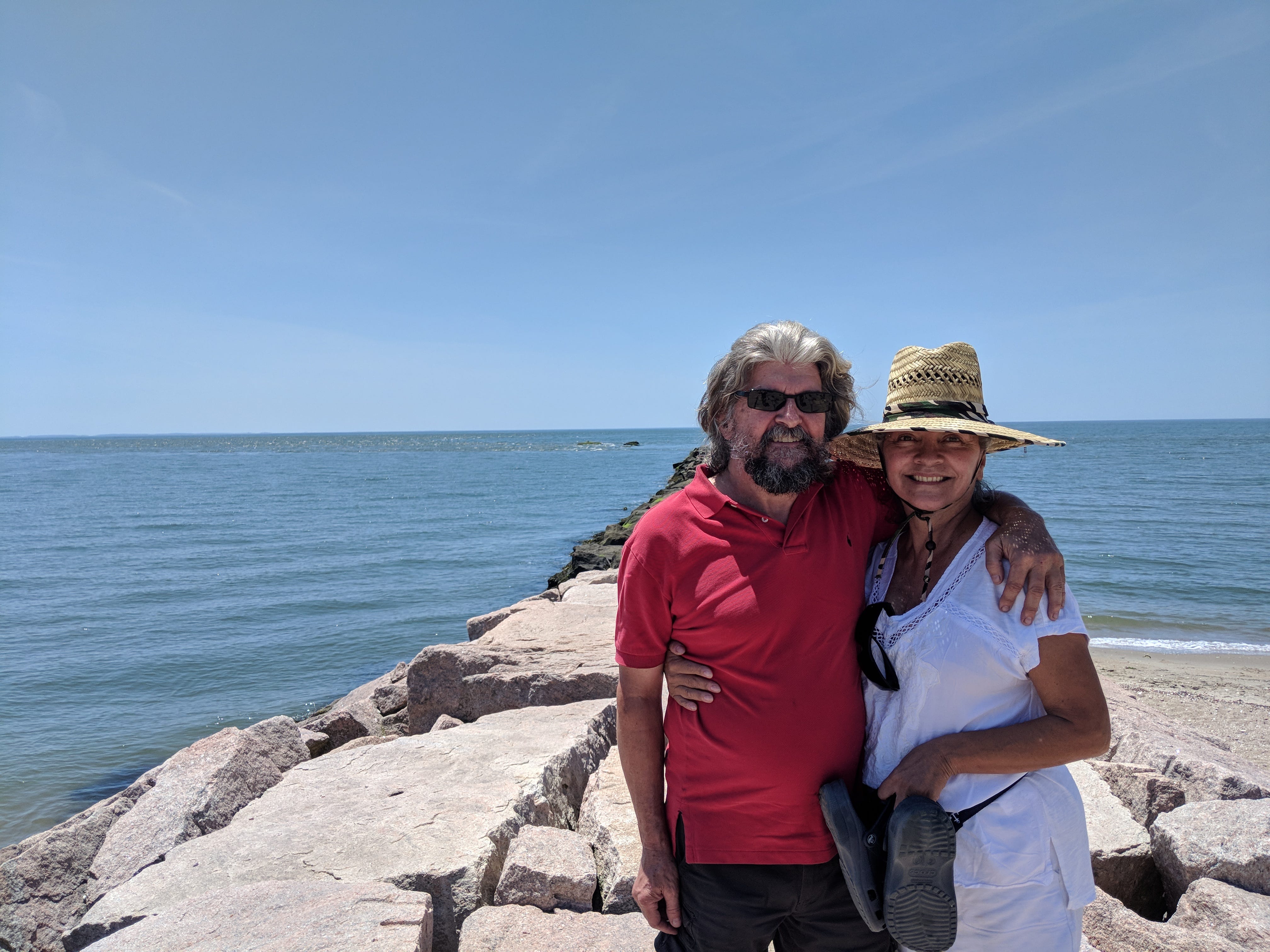
After closing that business, Linda and I embarked on an adventure, traveling in a converted bus from coast to coast. We funded our travels with the profits from an online store we operated. The four years we traveled were so much fun. There were challenges and difficult situations occasionally, but we always found a solution.
I have entrepreneurial blood. I am also persistent and resilient. Even with the limitations of Alzheimer’s disease.
Linda and I formed a corporation late last year. This company serves as an umbrella holding organization for all the ventures we create. Currently, we operate two online stores, and we own the copyright to this blog and to Greg Rowland’s Alzheimer’s Research Report. We believe I have an interesting story that corporations and nonprofit organizations would find beneficial to their employees and stakeholders. I think there is a book buried in my soul just waiting to be written. Building businesses has never been just about making money for me; it is about solving problems and creating something meaningful from scratch. Writing a book and launching these new ventures gives me a renewed sense of purpose, showing that an Alzheimer’s diagnosis might change my pace, but it cannot erase my passion to build, share, and contribute. Bottom line, my entrepreneurial spirit is alive and well. Alzheimer’s presents certain limitations and challenges, but I refuse to allow the disease to stop me from pursuing business opportunities.
Many friends, strangers, and my sister have generously supported Linda and me as we get our new business ventures launched and successfully generate sustainable revenue. We are deeply grateful for that support.


