


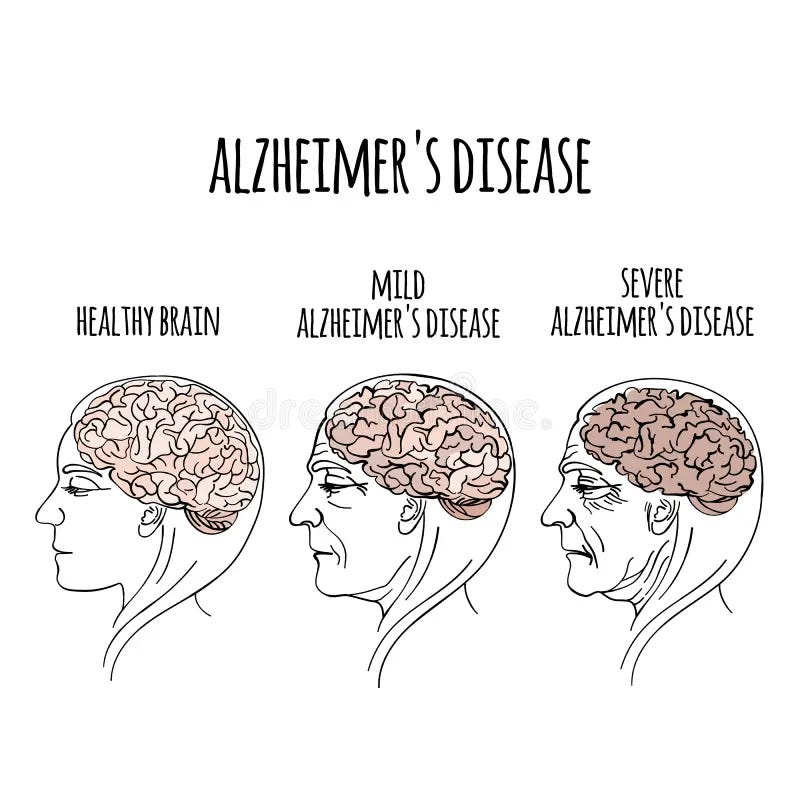
Alzheimer’s disease (AD) is one of the most devastating diseases, yet it persists without satisfactory preventive and curative strategies. It is frustrating that in 2026, when artificial intelligence has been developed, we are unable to cure AD. More than 7 million Americans and roughly 55 million people worldwide live with AD and related dementias. Every one of those people will die from AD, usually much sooner than they would have if they did not have the disease.
I feel robbed.
At age 68, AD took away my ability to work and support my family. It took away our plans for an Alaskan cruise. Gone are weekend hiking trips. Dreams of moving to Mexico are a distant memory. Without adequate income, Linda and I are unable to enjoy weekly dinners at favorite restaurants or explore new places to eat. I can no longer drive safely because AD took away my ability to focus and make quick decisions.
We sold our home and moved over 200 miles because of a promising treatment to slow the progression of my AD. Eight months later, my doctors at Duke Neurology stopped the infusions of Lecanemab. The side effects were unmanageable. Since I stopped the infusions less than halfway through the prescribed 18 months of treatment, I probably received zero benefit. There is no way to know for certain.
The life we left behind in Spartanburg was fulfilling and boringly normal. Linda enjoyed creating beautiful works of art in her studio. I enjoyed helping people realize their home improvement dreams or resolving problems through the small construction company we owned. We loved simple things, like sitting on our front porch at the end of the day with a friend and neighbor. We enjoyed trips to favorite places. Life was not necessarily easy, but it was good in so many ways.
Looking back, I know AD affected my ability to make the best decisions long before Duke Neurology told me I had this horrible disease. When I made poor decisions or forgot an important task, others were impacted. Friendships were lost, employees were frustrated, and clients were disappointed.
Through it all, Linda and I leaned on each other for strength. Linda’s breast cancer diagnosis and surgery in 2024 was a terrible period for her. Her recovery took much longer than expected. Together, we navigated the challenges of recovery. Today, we manage my AD together.
My story is not dissimilar to millions of other people with AD.
The total number of AD patients in the United States equals the population of Tennessee or Massachusetts. The cumulative population of Wyoming, Vermont, Alaska, North Dakota, South Dakota, Delaware, and Rhode Island roughly equals the number of AD patients in the United States.
Plenty of people are somewhere on the long goodbye journey.
Not a day goes by that I don’t think about why there isn’t a cure, a vaccine, or at least an effective treatment for AD symptoms. If we can create artificial intelligence, why can’t we cure AD?
In a nutshell, I believe the answer boils down to money.
Pharmaceutical and biotech companies earn huge profits rolling out drugs that ineffectually treat AD symptoms. If a cure and prevention were developed, those profits would disappear.
Our political and government leaders seem focused on selfish gains rather than funding AD research. The money spent on Trump trophies and what seems like an endless war with Iran may have been enough to discover an AD cure.
Wealthy individuals and corporations, for the most part, are overflowing with greed instead of helping find a cure for a disease that over 7 million United States citizens are dying from.
Looking at the above three groups - pharmaceutical companies, politicians, and billionaires - the commonality seems to be a self-centered focus rather than a concern about the needs of others.
I understand my opinions and thoughts may be controversial. As one of the over 7 million people struggling with Alzheimer’s disease, I think I have a right to express my opinions.
To paraphrase Rodney King, “Can’t we all come together and find a cure for Alzheimer’s?”
Final Thoughts - There are millions of AD patients suffering much more than I am. Linda and I are blessed to have the support of friends, family, and readers of my publications. My fight for an AD cure isn’t just for me; it is for all AD patients around the world.
It will certainly raise awareness if this blog post is shared far and wide. Alzheimer’s awareness is the first step in motivating people to step up to the plate.
For additional information about Alzheimer’s disease and my journey, please visit GregoryRowland.com
I choose to keep this blog completely free so anyone can read it. However, the background research and writing require many hours of independent work. If you are in a position to help sustain this newsletter, you can make a voluntary donation here. Thank you for your support!