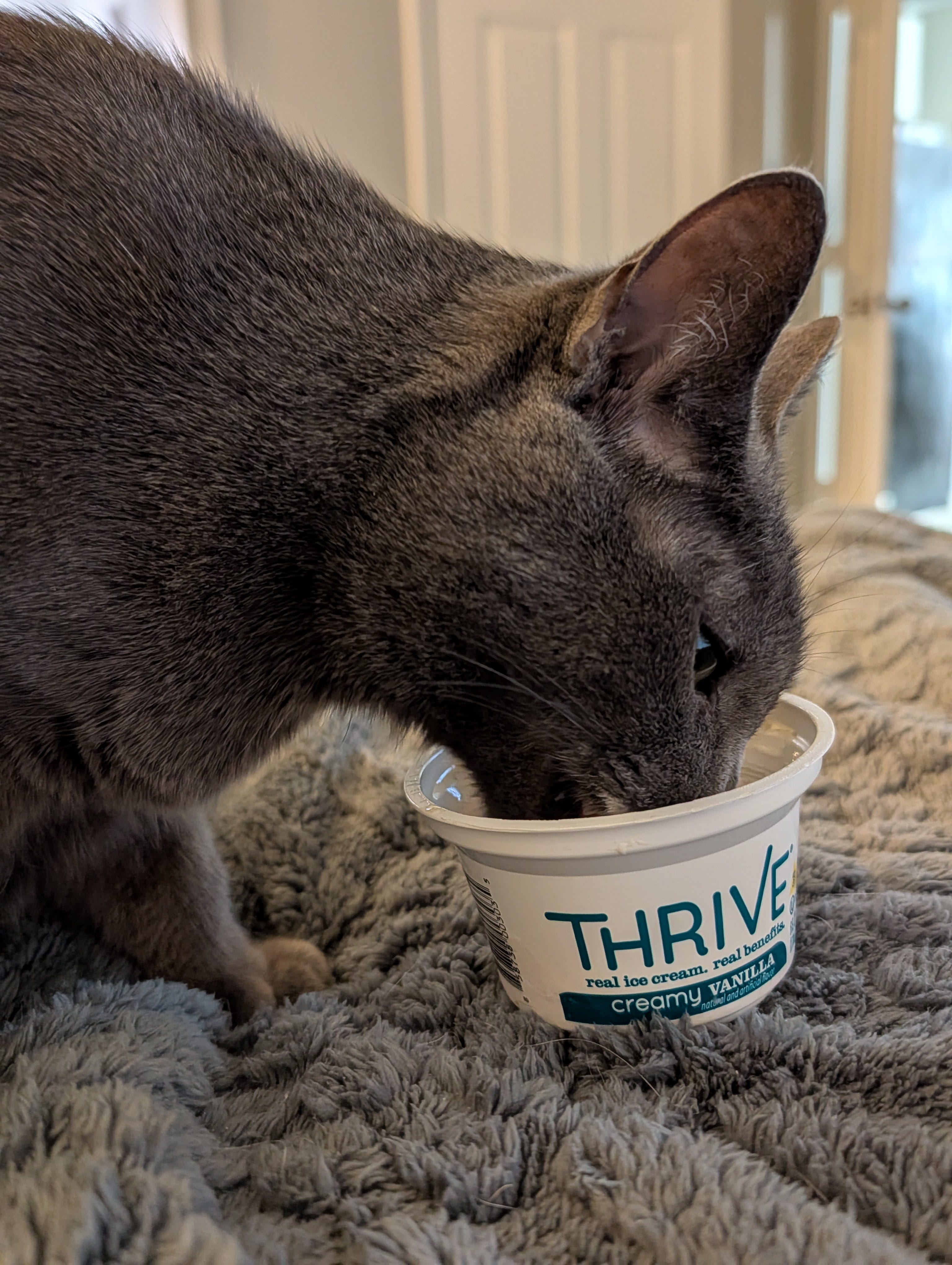
Like ice cream, advocacy comes in several flavors.
Self-advocacy is speaking up for yourself, making your own choices, and defending your personal rights.
Individual advocacy is helping another person understand their rights and navigate systems or services.
Public advocacy is working to change broader laws, public policies, institutional practices, or community attitudes.
Legal advocacy is using the courts, litigation, or regulatory processes to protect rights or push for systemic changes.
Over the past year, I have worked toward becoming an effective advocate for Alzheimer’s disease. If my advocacy were ice cream, it would contain several flavors with swirls, doughs, and fudges all mixed into one sweet concoction. My advocacy ranges from a 45-minute personal conversation with David yesterday to actively offering support and advice to Reddit posters. Mixed into my advocacy flavor are private telephone conversations with persons and their loved ones recently diagnosed with Alzheimer’s. Of course, I advocate for myself when considering treatment and a medical care team. I believe the most powerful advocacy I have is my two publications:
After receiving my Alzheimer’s diagnosis in September 2025, I knew the life my wife, Linda, and I enjoyed would dramatically change. A few months after my diagnosis, we decided to close our business because the manager we hired was simply not the same as me. We learned that I was the business and no one could fill my shoes. Looking back, closing the business turned our lives upside down. We had not planned and prepared for a sudden loss of income.
I have always been an advocate of some flavor. For many years, I advocated for housing, food, and healthcare for the homeless in Durham, North Carolina. At times, my efforts included individual advocacy, public advocacy, and legal advocacy. On any given day, you could find me taking lunch to a homeless camp, calling the mayor to ask for additional financial support, and attending an Urban Ministries board of directors meeting that evening.
About one year ago, I realized I could be an effective Alzheimer’s advocate if I combined my business expertise, my writing skills, my love of learning, and my non-profit organization management experience. The challenge has always been maintaining a delicate balance between advocacy work and creating an income stream.
Just as Alzheimer’s disease evolves and progresses, so does my advocacy work.
To be an effective Alzheimer’s advocate doesn’t require speaking to large audiences, meeting with elected officials, or even having five thousand social media followers. It can be as simple as helping David understand the memory evaluation process or responding to the daughter posting on Reddit asking about an issue with her mother who has Alzheimer’s.
In 2027, I hope my blog grows substantially - not to boast about how many subscribers it has, but because growth will enable more people to understand the unfiltered reality of living with Alzheimer’s. Simultaneously, my other advocacy efforts will likely expand.
My ultimate goal is to be an effective advocate for persons with Alzheimer’s, their families, and their caregivers. In the next year, you will see me advocating for affordable housing, improved transportation and food support, and a better process for tenants to receive rental housing adaptations - grab bars, wheelchair ramps, lowered light switches, etc. I will continue to encourage the researchers working tirelessly to find a cure for Alzheimer’s.
If you are not already, please consider becoming an Alzheimer’s advocate. The Alzheimer’s Impact Movement (AIM) is a good starting point. Or, call me, and I can help you decide the best way to put your interests and experiences to work.
Please subscribe to this publication so I have the financial support to continue my Alzheimer’s advocacy. Additionally, donations are always appreciated.
Now, about that ice cream . . .